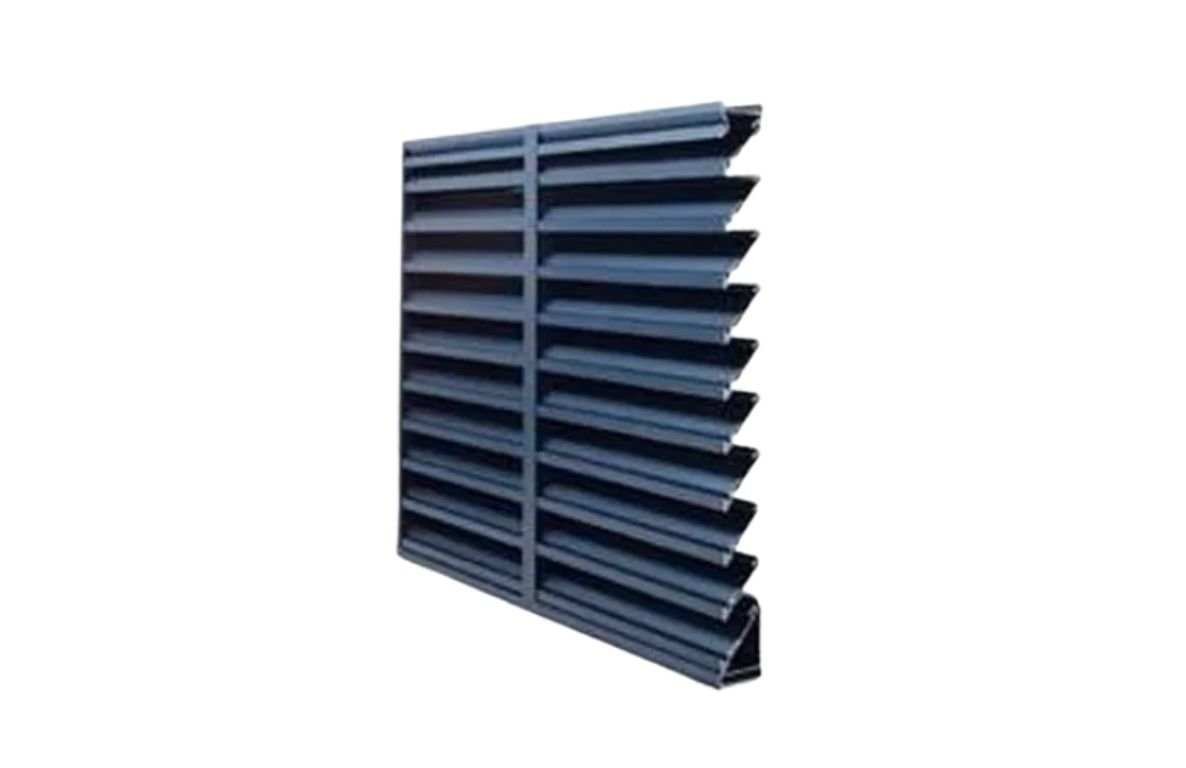
What Is the WST Series Cooling Tower?
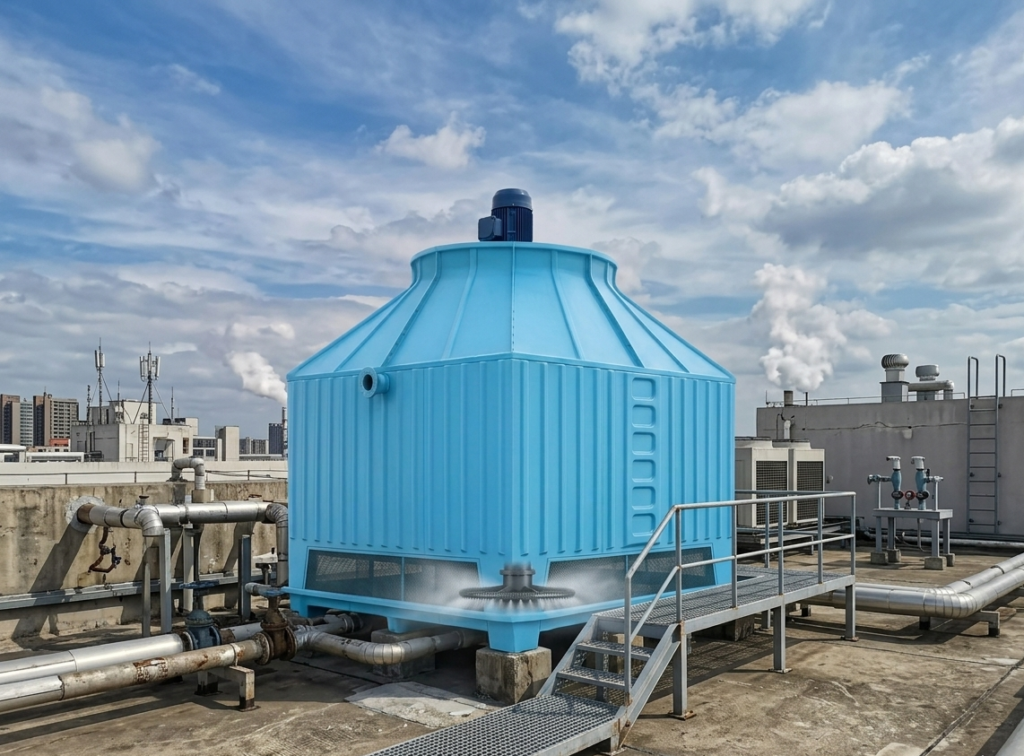
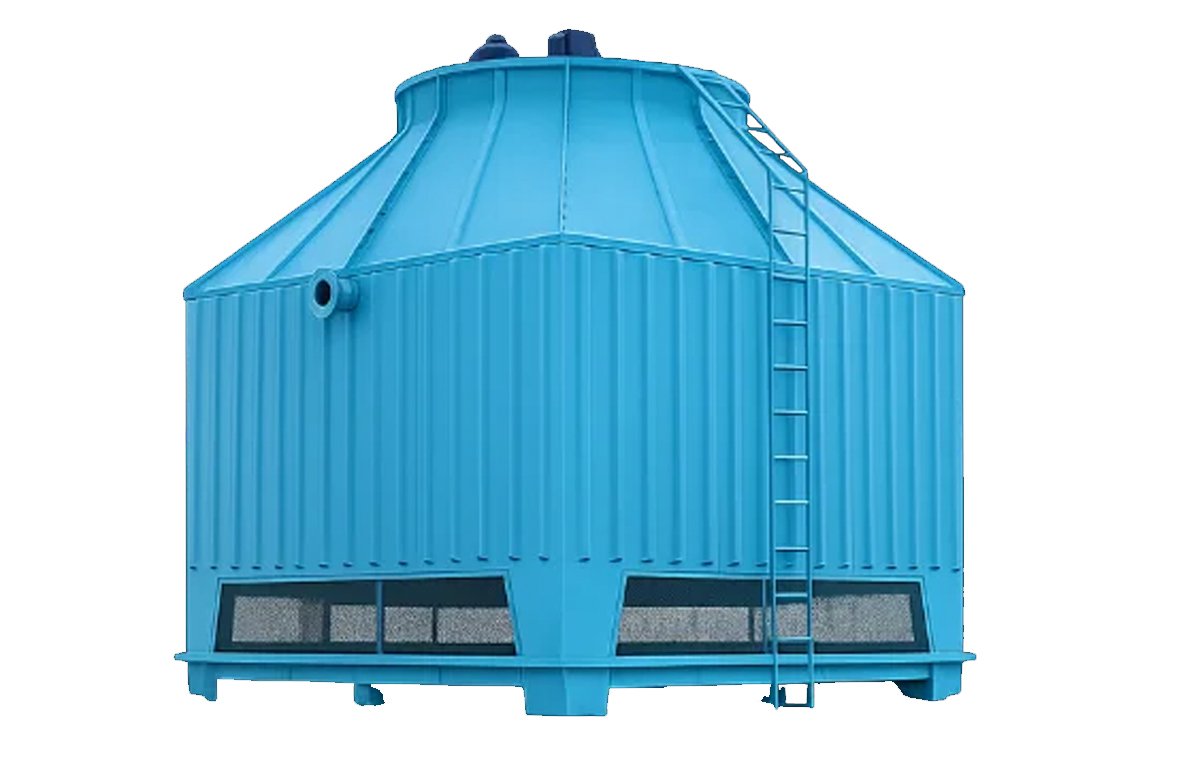
The WST Series is a square type FRP cooling tower designed around an induced draft configuration. Its construction combines FRP components with a water distribution system, fill media, drift eliminators, axial fans and other components required for evaporative cooling.
Unlike a cooling tower that simply circulates water, an evaporative cooling tower removes heat through contact between circulating water and moving air. This makes the interaction between the fill, water distribution system and airflow important to overall tower performance.
The WST Series can be considered for applications such as process cooling and HVAC systems where warm water needs to be cooled before being recirculated.
Key Points
- Square FRP cooling tower construction
- Induced draft airflow arrangement
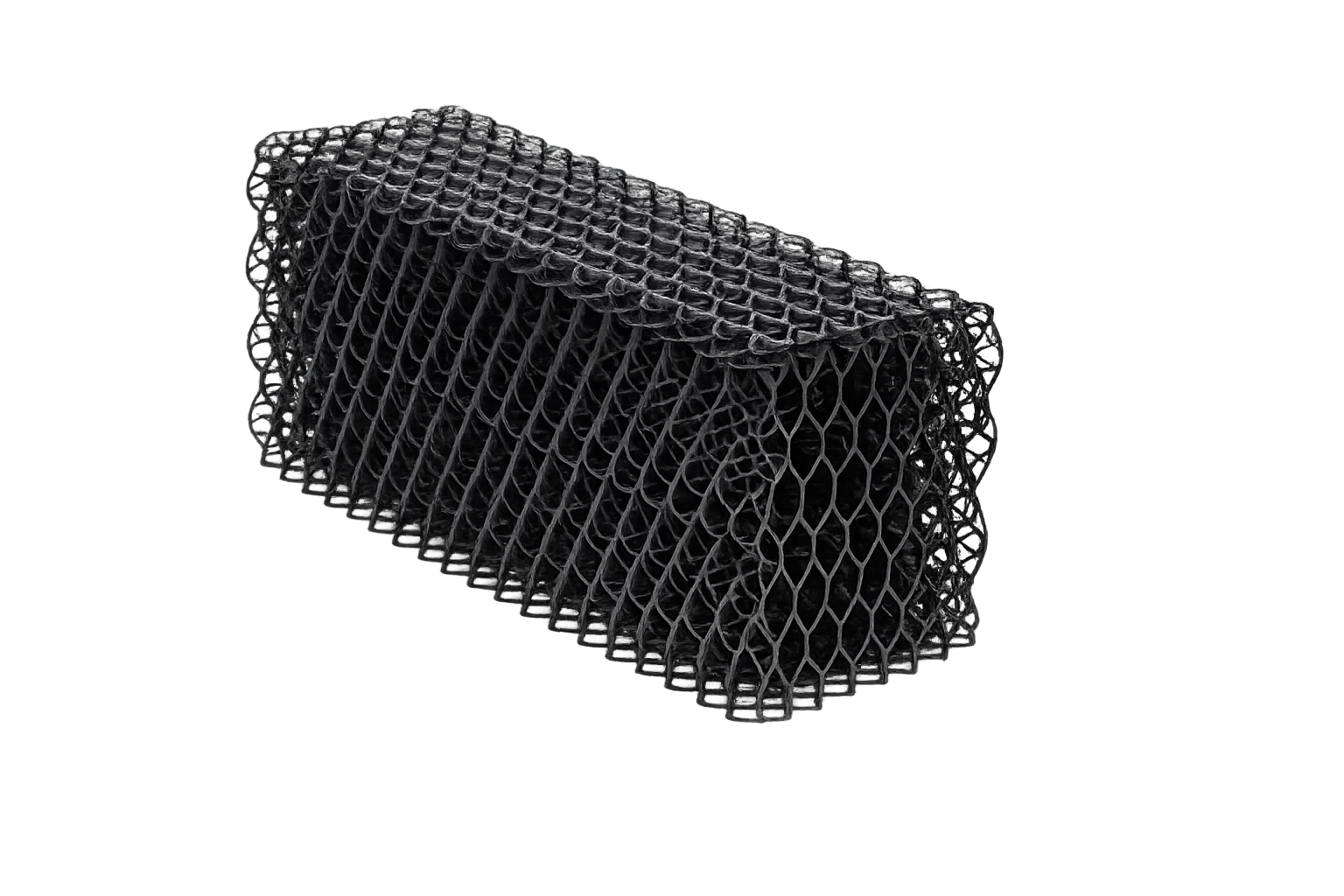
- PVC fill media for heat transfer
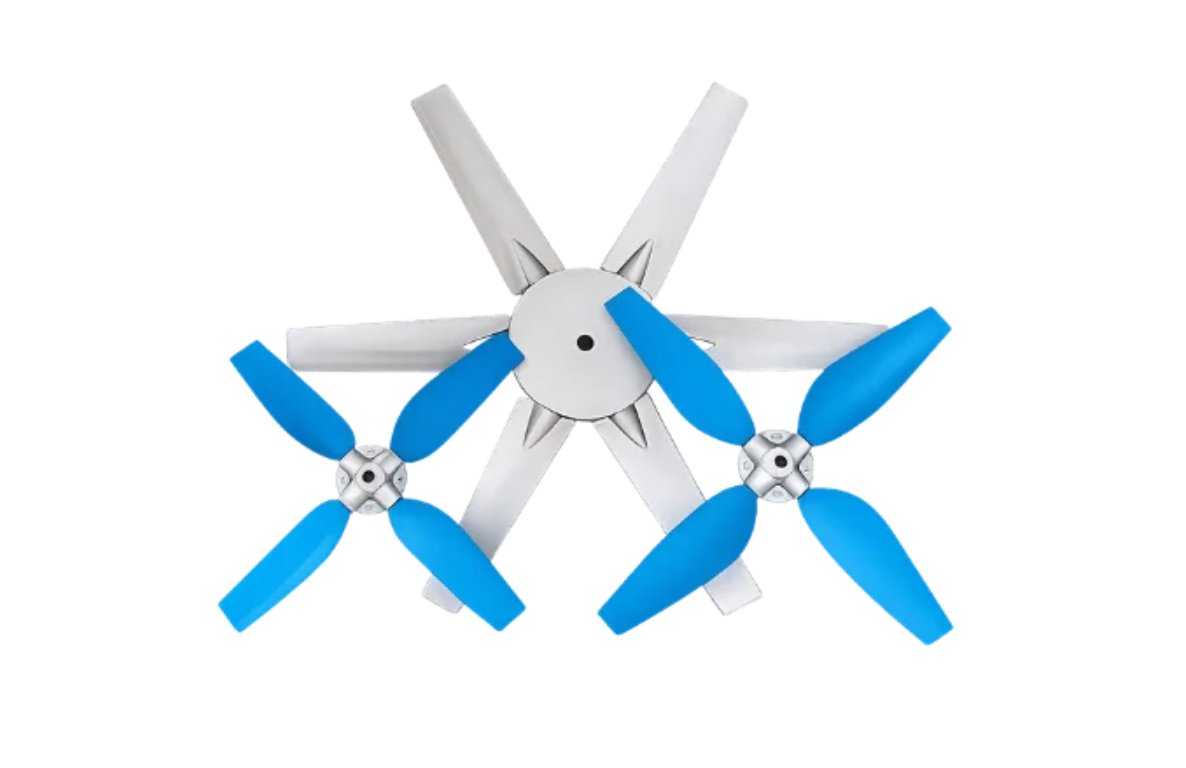
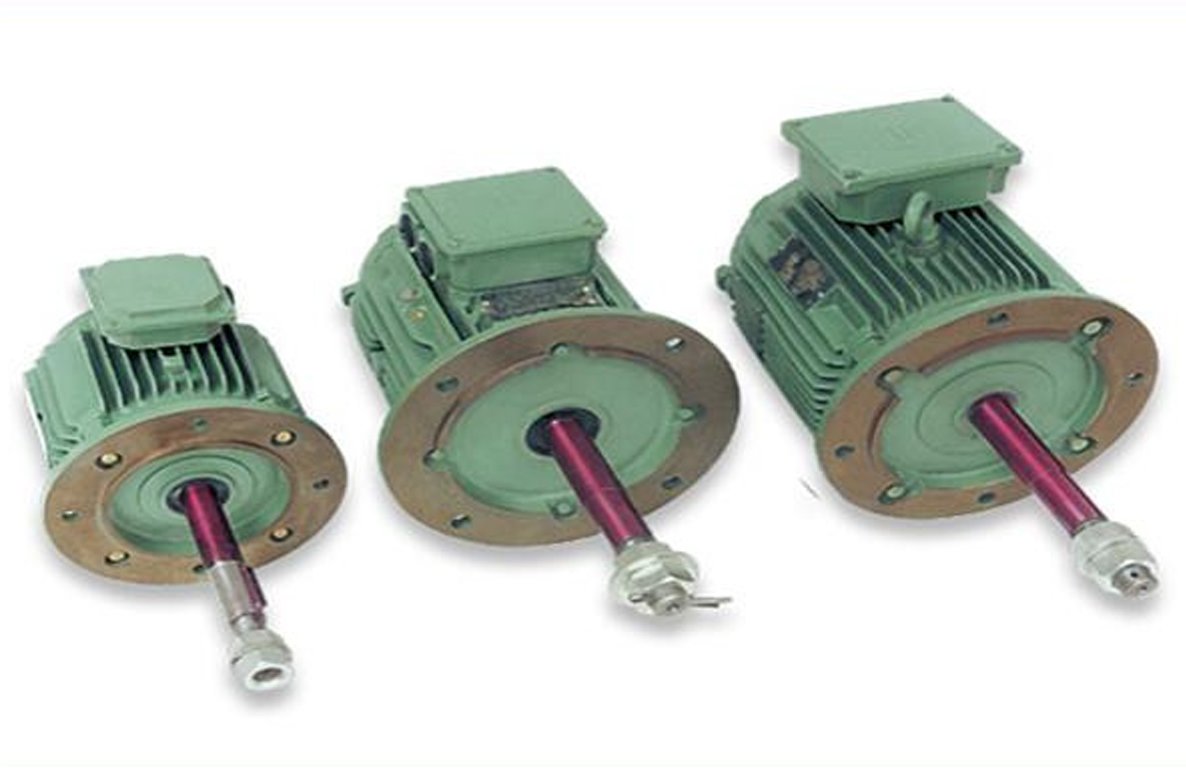
- Axial fan system
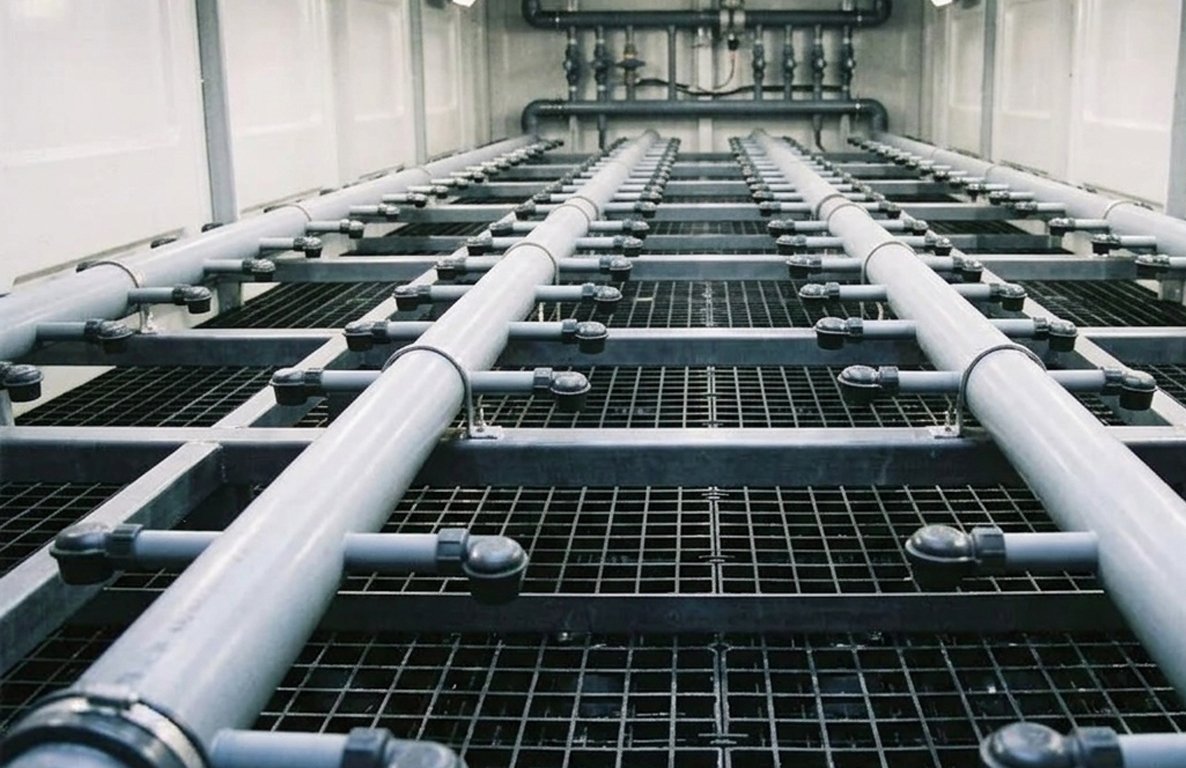
- Fixed header water distribution
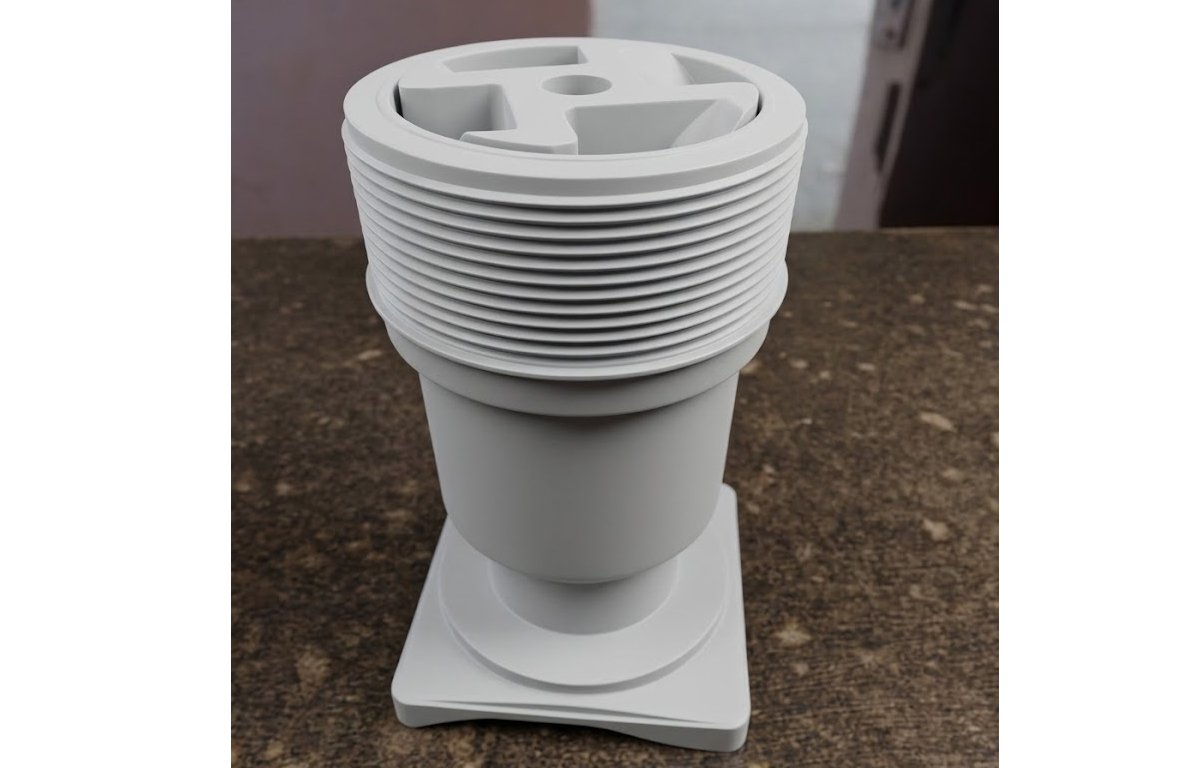
- Spray nozzles for water distribution
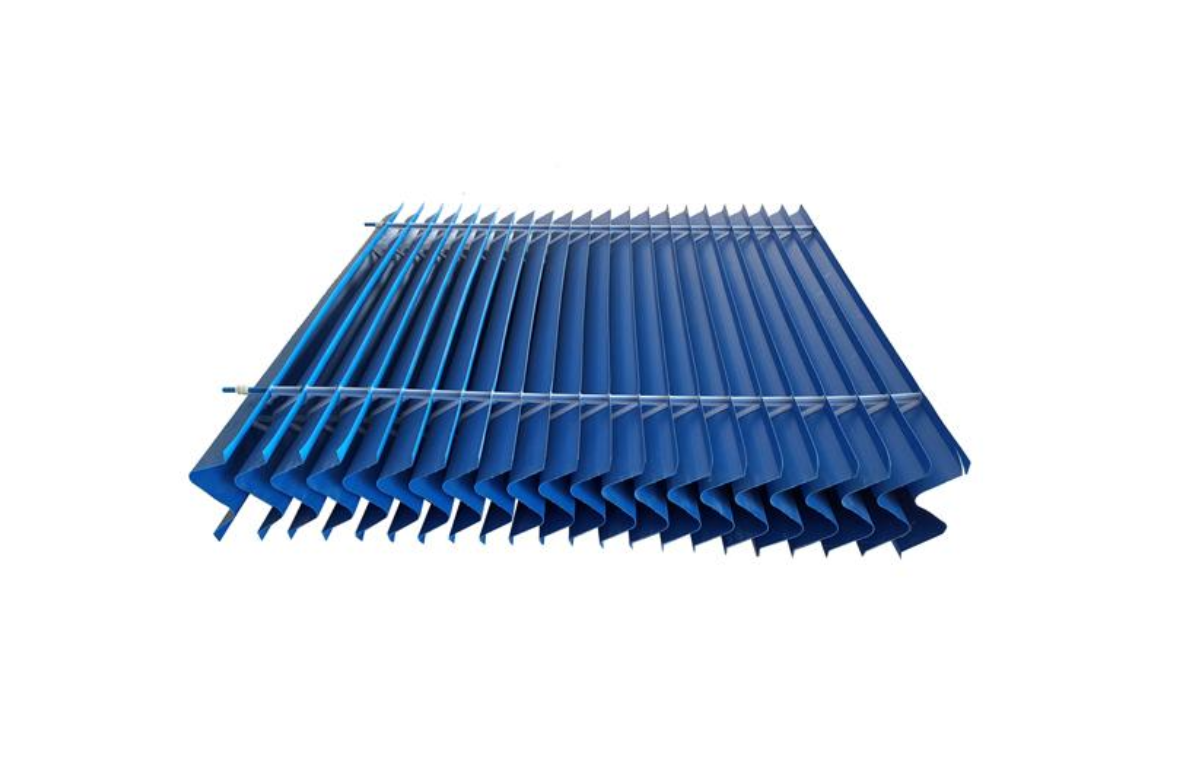
- Drift eliminators to reduce water carryover
- Cold water collection basin
- Suitable for industrial and HVAC applications
In Simple Terms:
WST Series Cooling Towers are square-shaped, high-efficiency cooling systems designed to deliver reliable and uniform performance across a wide range of industrial and HVAC applications. Constructed with durable fiber-reinforced plastic (FRP), these towers offer excellent resistance to corrosion, weather conditions, and long operational life.
How Does a WST Series Cooling Tower Work?
The WST Series works through the principle of evaporative cooling. Warm process water enters the tower and is distributed over the fill media. At the same time, the fan draws air through the tower.
As the water comes into contact with the moving air, a small portion of the water evaporates. This evaporation removes heat from the remaining water, lowering its temperature.
The cooled water then collects in the cold water basin and can be pumped back into the industrial or HVAC process.
WST Series Cooling Process
Water flows through fill →
Air passes through the tower →
Cooled water collects in basin →
Water returns to the process
This simple cycle allows the cooling tower to continuously reject heat from a circulating water system.
WST Series Cooling Tower Specifications
Cooling tower selection should be based on operating requirements rather than capacity alone.
Before selecting a WST Series model, the project team should establish:
Parameter | Why It Matters |
Heat load | Determines the amount of heat the tower must reject |
Water flow rate | Determines the required circulation capacity |
Hot water temperature | Establishes the entering water condition |
Cold water temperature | Defines the required cooling result |
Wet bulb temperature | Influences achievable cooling performance |
Range | Difference between entering and leaving water temperature |
Approach | Difference between cold water temperature and ambient wet bulb temperature |
Fan arrangement | Determines how air is moved through the tower |
Available space | Influences tower dimensions and installation |
Water quality | Affects scaling, corrosion and biological control |
For an accurate selection, provide your operating data to the cooling tower manufacturer rather than choosing a model based only on nominal capacity.
How to Select the Right WST Series Cooling Tower
A cooling tower should be sized according to the actual process.
1. Determine the Heat Load
Identify how much heat the cooling system needs to reject. This is the starting point for tower selection.
2. Confirm Water Flow
The required circulating water flow helps determine the appropriate tower configuration and capacity.
3. Check Operating Temperatures
Provide the expected hot water temperature, required cold water temperature and site wet bulb temperature.
4. Consider Water Quality
Poor water quality can contribute to scaling, corrosion and biological growth. The cooling tower and water treatment strategy should therefore be considered together.
5. Evaluate Available Space
Check the footprint, tower height, maintenance access, airflow requirements and surrounding structures before finalizing the installation.
6. Consider Maintenance
Fans, motors, fill media, nozzles, drift eliminators and water basins need inspection and maintenance. Easy access to serviceable components can reduce maintenance difficulties.
WST Series Cooling Tower Maintenance
Even a well designed cooling tower requires regular maintenance. Performance can decline when fill media becomes fouled, water distribution is uneven or mechanical components are not maintained properly.
A practical maintenance program should include:
- Inspecting fan blades and mechanical assemblies
- Checking motor condition
- Cleaning or inspecting fill media
- Checking spray nozzles for blockage
- Inspecting drift eliminators
- Cleaning the cold water basin
- Monitoring circulating water quality
- Checking for scaling and corrosion
- Inspecting water distribution
- Checking vibration and unusual operating noise
The maintenance frequency should depend on operating hours, water quality, environmental conditions and the application.
Why Choose Wet Point Cooling Towers?
Selecting a cooling tower is not only about purchasing equipment. Industrial buyers also need technical guidance, appropriate sizing and dependable support throughout the equipment lifecycle.
Wet Point Cooling Towers focuses on industrial cooling solutions and provides cooling tower systems for different process and HVAC requirements.
When discussing a WST Series requirement, the selection process should consider your heat load, water flow, operating temperatures, site conditions, water quality and installation requirements.
This approach helps ensure that the selected cooling tower matches the actual application rather than relying on a generic capacity estimate.
Why Choose an FRP Square Cooling Tower?
The right cooling tower depends on the application rather than simply the tower’s appearance or price. However, an FRP square configuration can offer practical advantages for industrial installations.
Corrosion Resistant Construction
FRP is useful in environments where moisture and exposure to water can create corrosion concerns for conventional materials.
Efficient Air and Water Contact
The combination of fill media, water distribution and induced airflow provides the conditions needed for evaporative cooling.
Practical for Industrial Installations
The square configuration can be suitable for installations where equipment layout, access and available space need to be considered during project planning.
Reduced Water Carryover
Drift eliminators help reduce water droplets leaving the tower with exhaust air.
Serviceable Design
Cooling tower components such as fans, motors, fills, nozzles and drift eliminators require periodic inspection. A serviceable configuration makes routine maintenance easier to plan.
Industries & Applications of WST Series Cooling Towers
WST Series cooling towers can be used wherever a circulating water system needs to reject process or equipment heat.
Manufacturing Plants
Industrial manufacturing processes often generate heat through machinery, production equipment and process systems. A cooling tower can provide continuous cooling water for suitable applications.
Chemical Industry
Chemical processes may require controlled cooling at different stages of production. Cooling tower selection should consider the process temperature, water quality and operating environment.
Pharmaceuticals Industry
Cooling systems are used in pharmaceutical manufacturing for equipment and process applications. Proper water treatment and hygiene requirements should be considered when designing the cooling system.
Food Processing
Food processing facilities may use cooling water for equipment and process heat rejection. The cooling system should be selected according to the plant’s operating conditions.
Textile Industry
Textile manufacturing involves several heat generating processes and equipment. Cooling towers can support suitable process cooling requirements.
Steel & Metal Industry
Industrial equipment operating in high temperature environments may require reliable cooling water to remove excess heat.
Cement Plants
Cement manufacturing involves heavy duty equipment and heat generating processes. Cooling systems can be integrated into appropriate plant applications.
HVAC System
Cooling towers are widely used as part of water cooled HVAC systems. They reject heat from the circulating condenser water and support the operation of the connected cooling system.
Other Industrial Applications
Depending on the design and operating conditions, WST Series cooling towers may also be considered for automotive, paper, power and general process cooling applications.
The appropriate cooling tower should always be selected based on the actual heat load, water flow, temperatures, wet bulb conditions and site requirements.
The WST Series works through the principle of evaporative cooling. Warm process water enters the tower and is distributed over the fill media. At the same time, the fan draws air through the tower.
As the water comes into contact with the moving air, a small portion of the water evaporates. This evaporation removes heat from the remaining water, lowering its temperature.
The cooled water then collects in the cold water basin and can be pumped back into the industrial or HVAC process.